
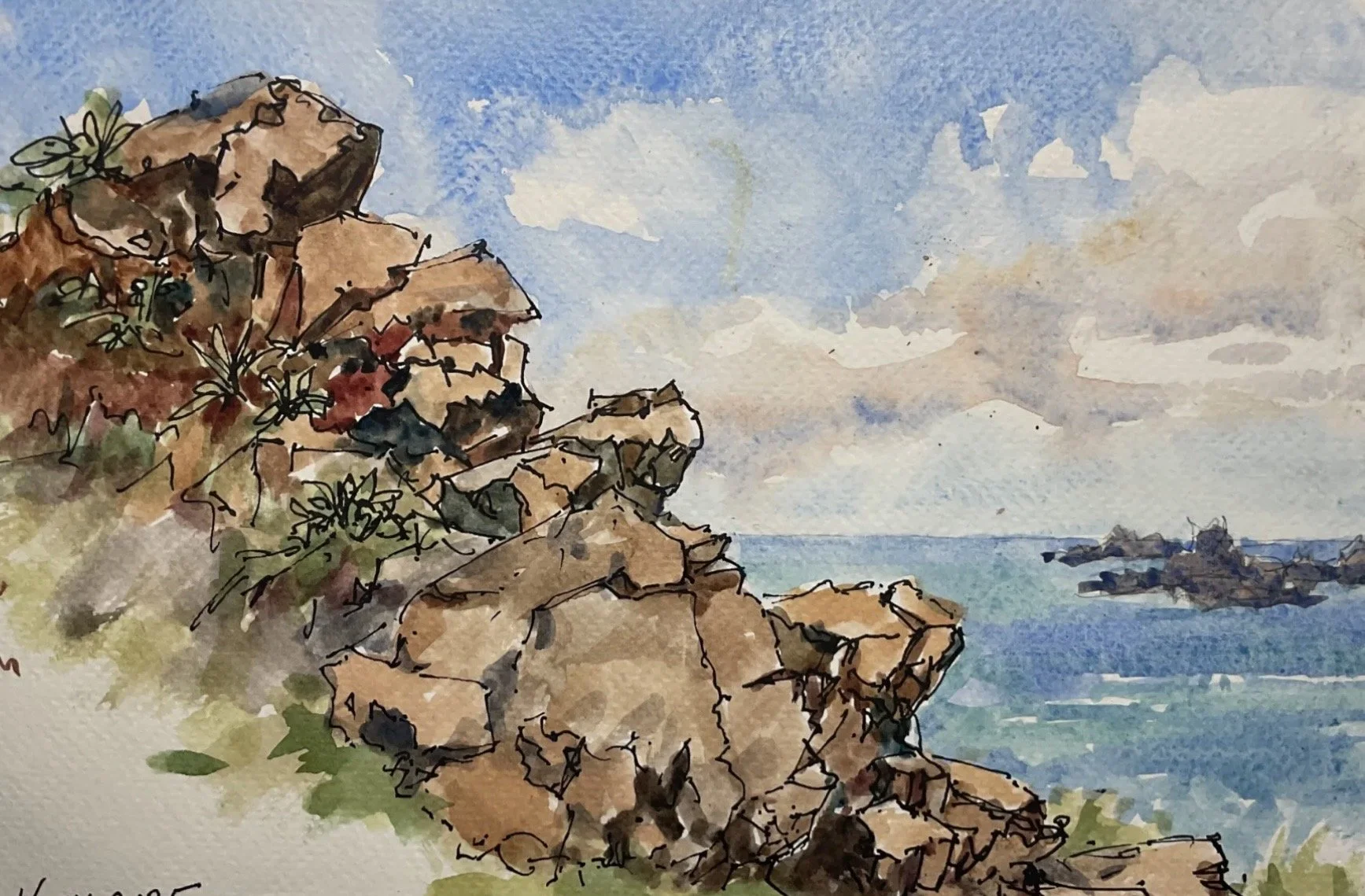
Watercolour Workshop
Techniques and Tips for Elevated Achievement
THIS IS A 9-HOUR WORKSHOP: 3 WEEKLY SESSIONS OF 3 HOURS.
Saturday, October 10, 17 and 24
from 1 pm to 4 pm
LEVEL: BEGINNERS AND INTERMEDIATES.
MAXIMUM: 6 STUDENTS PER CLASS
Instructor: John Hofman
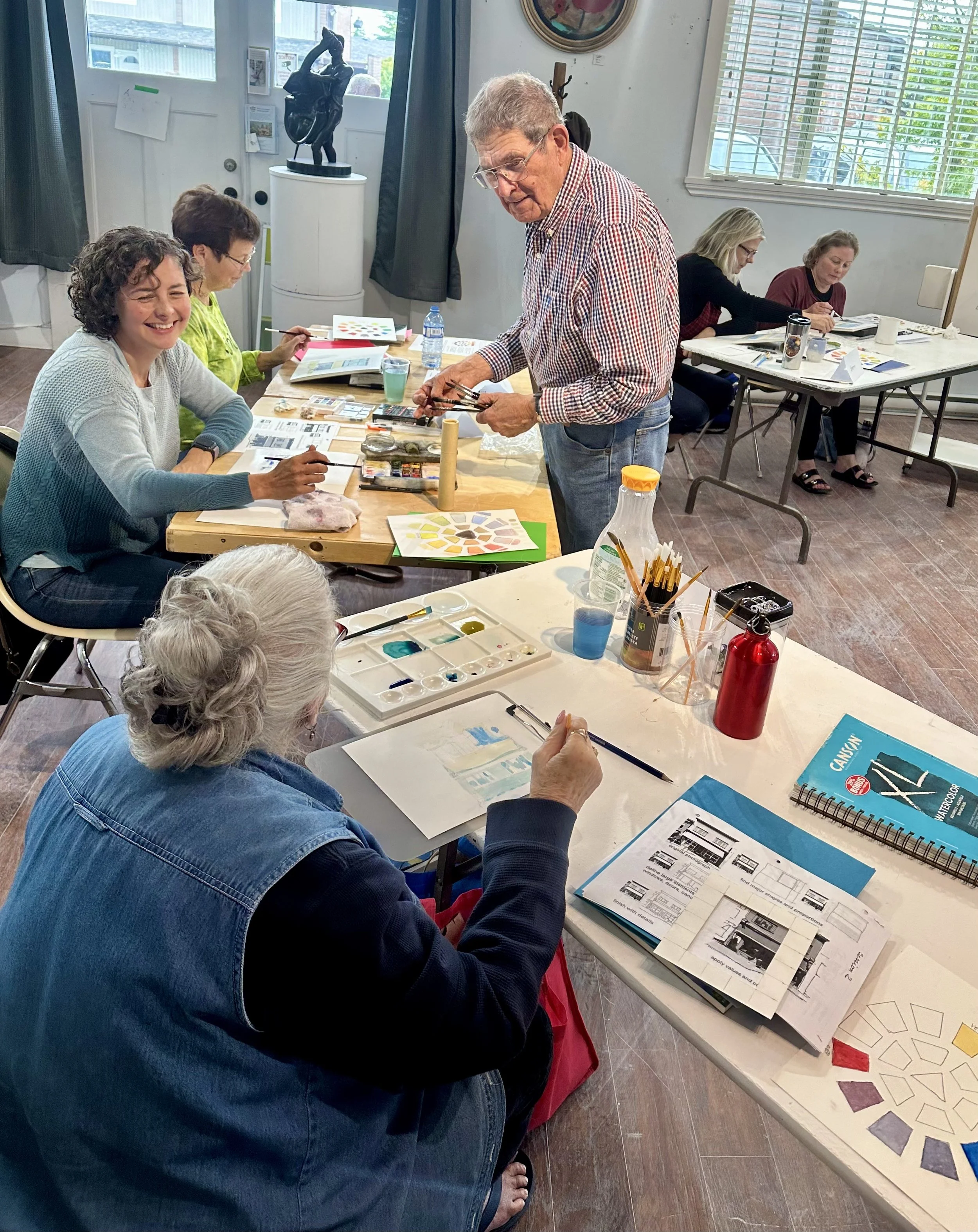
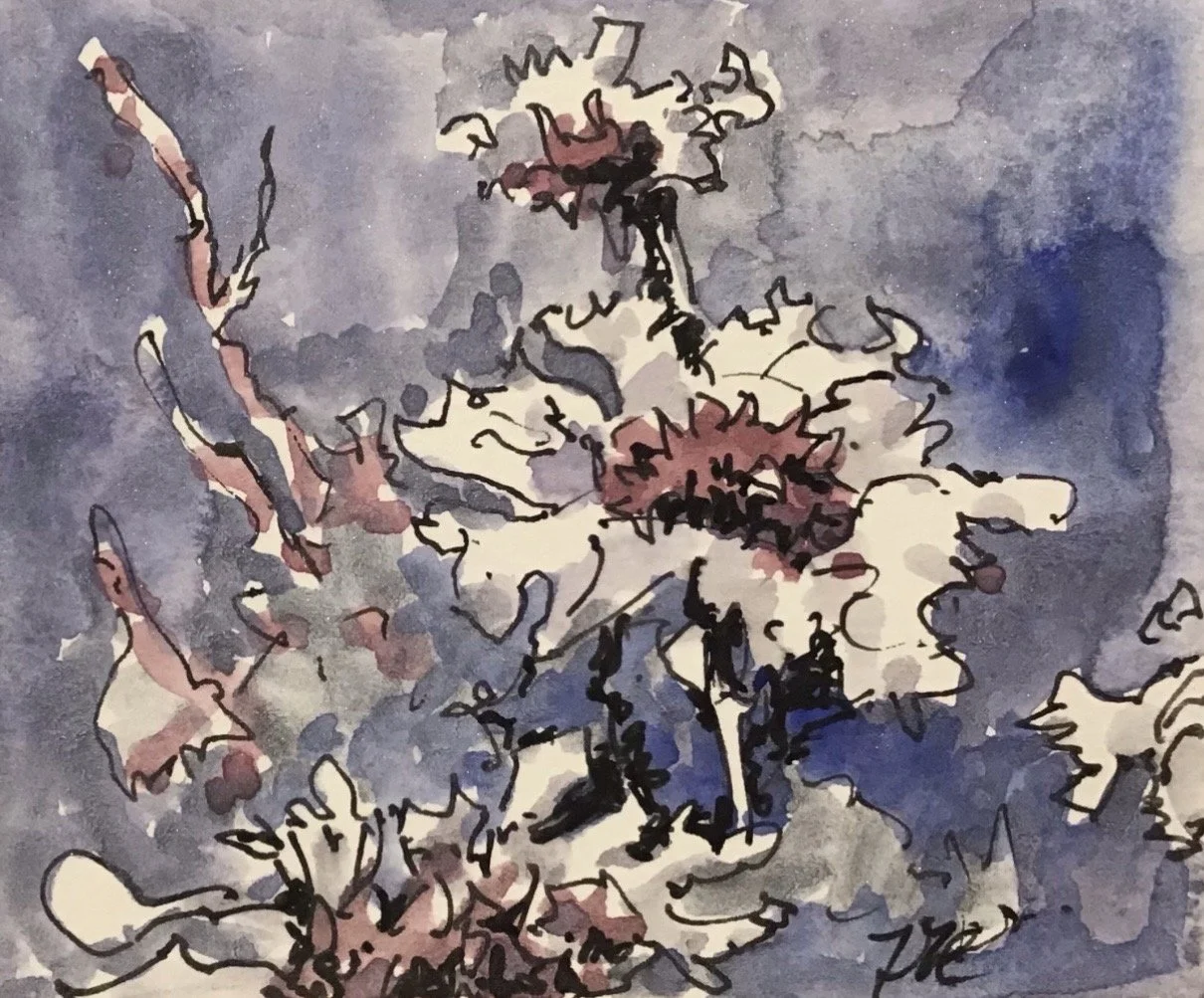
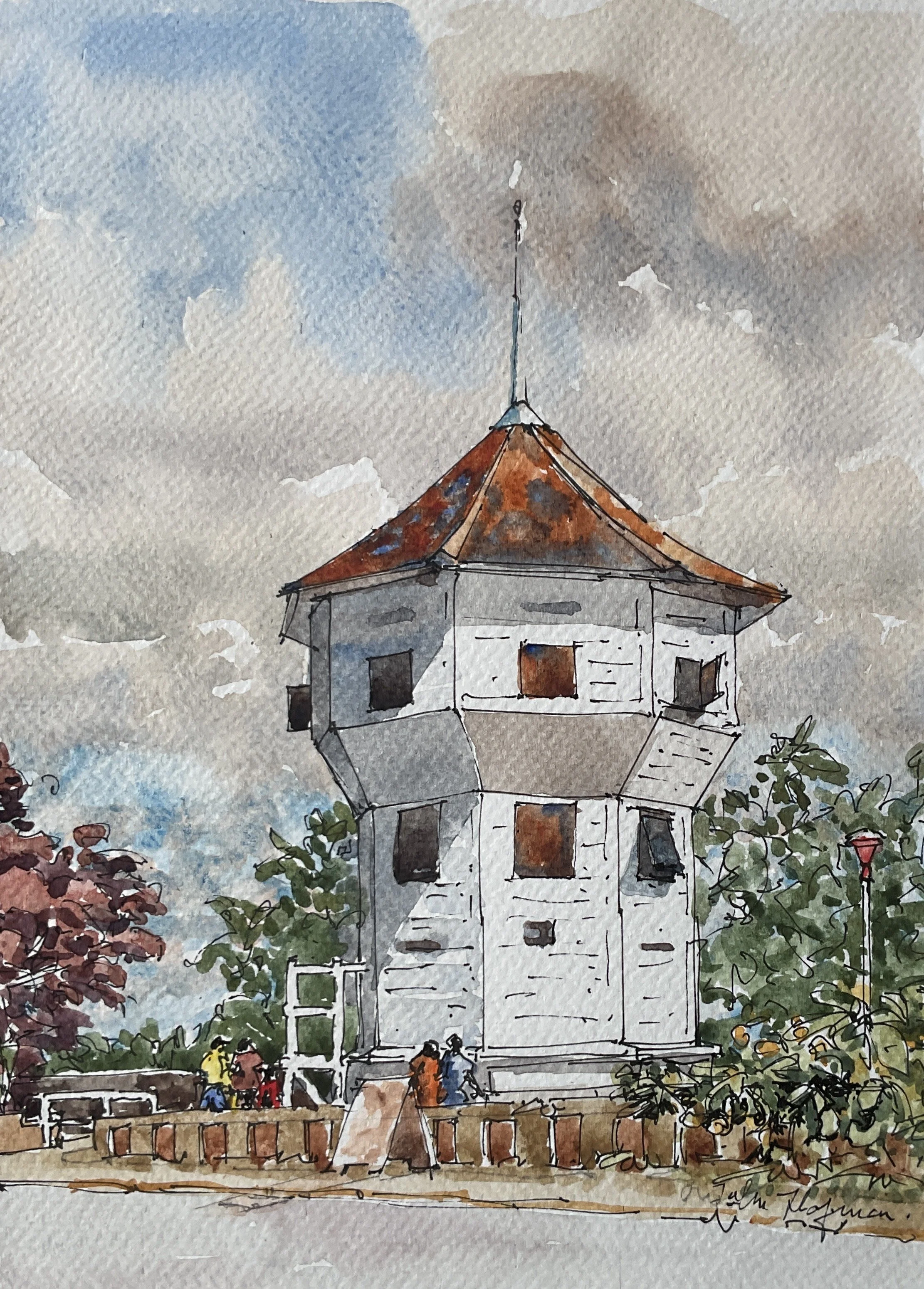
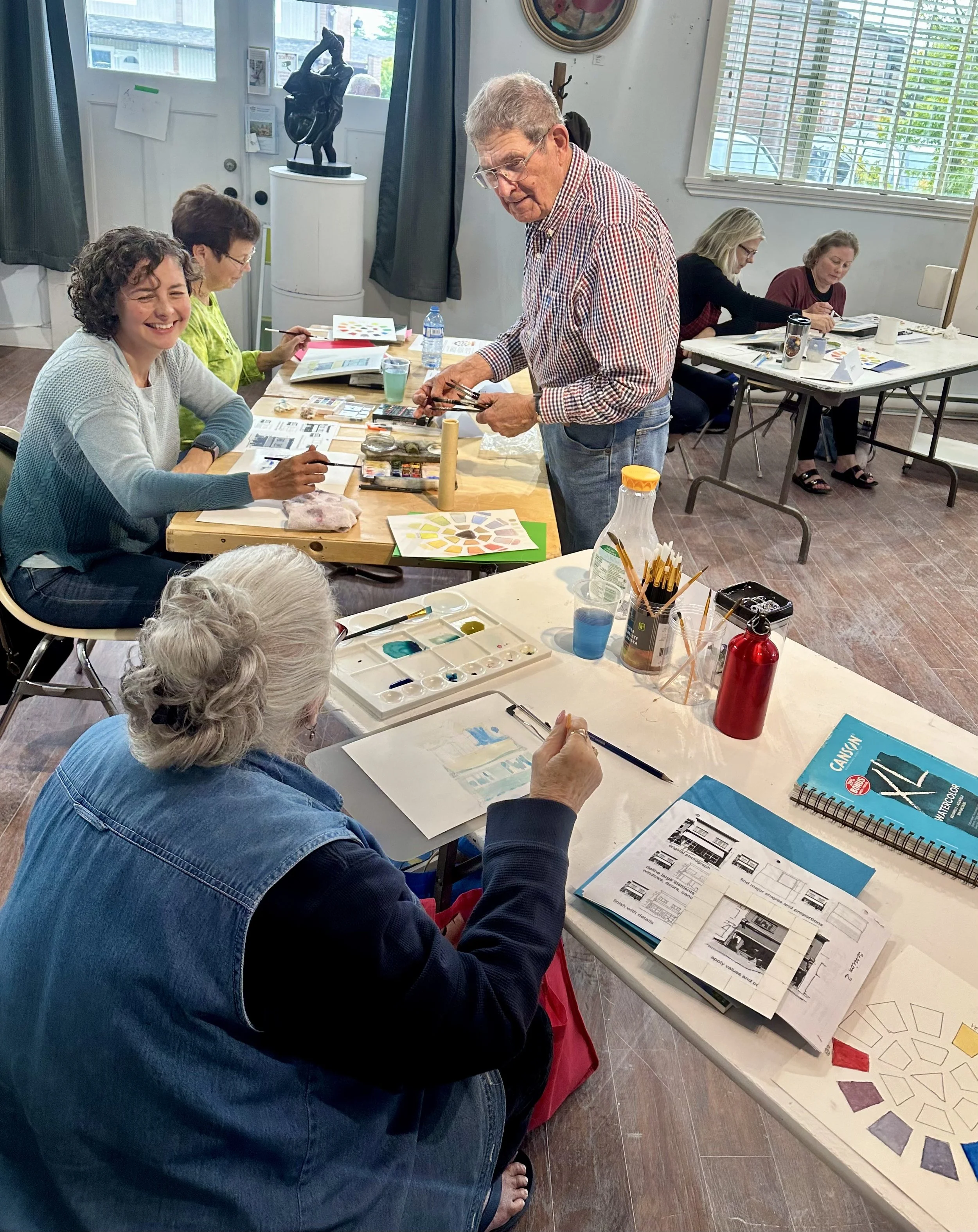
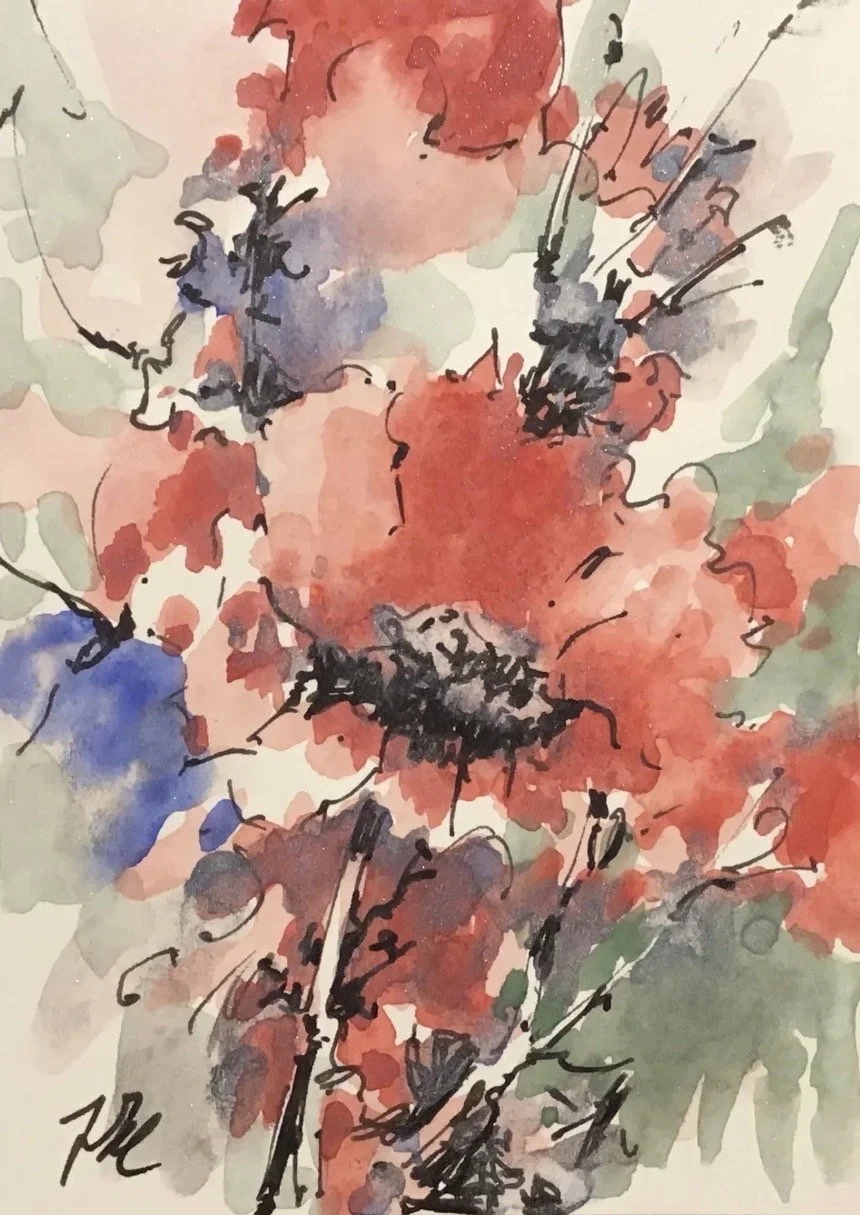
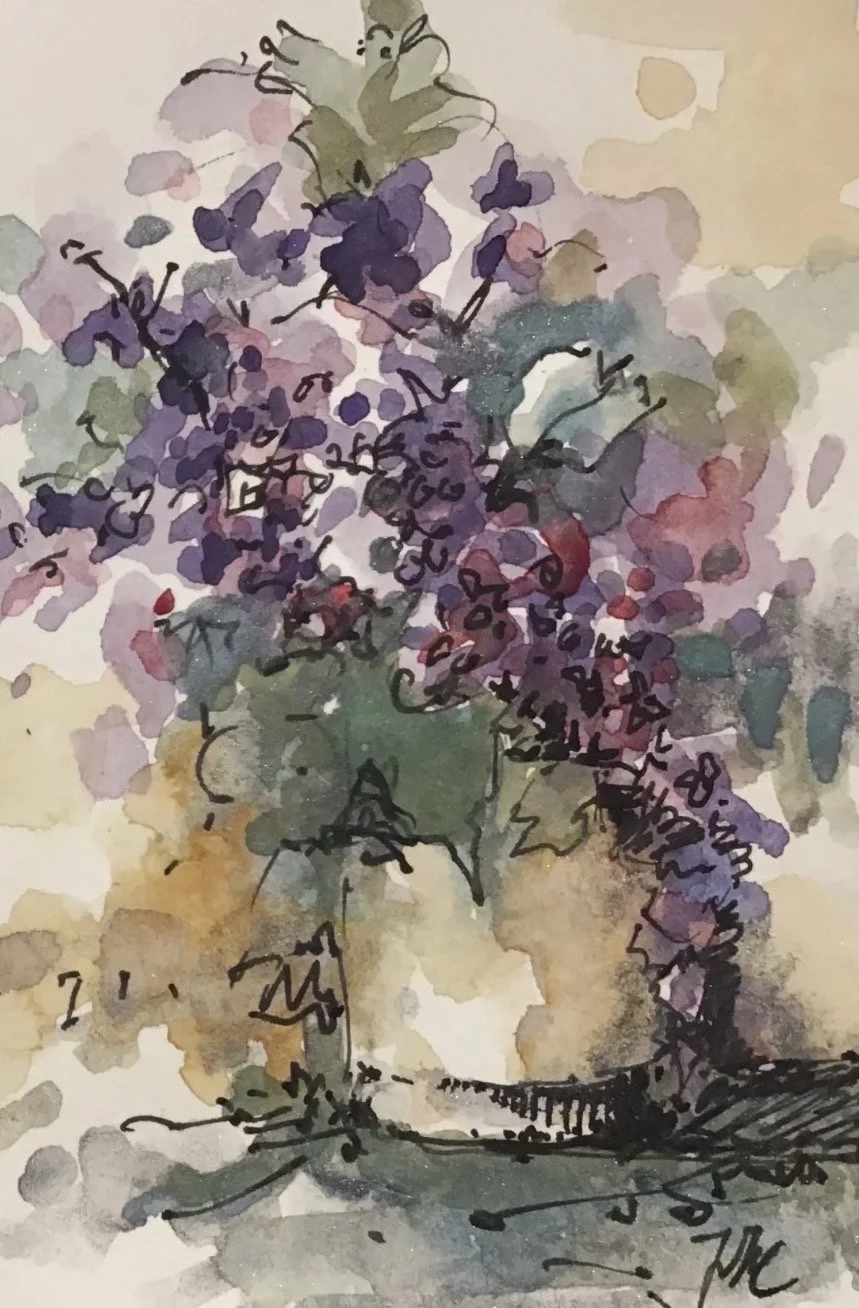
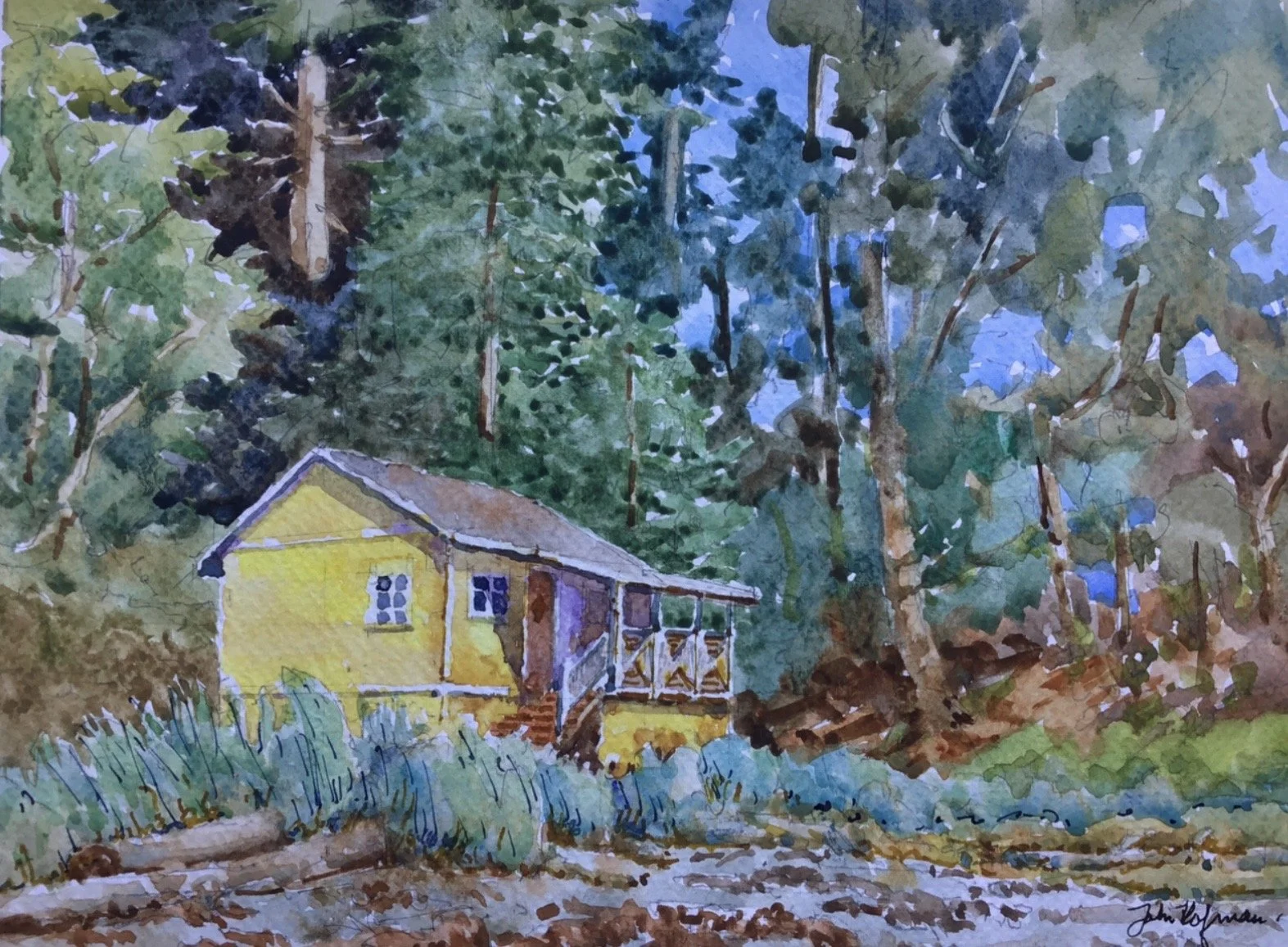
Watercolours have a reputation for being difficult, but the challenge usually comes from trying to force the medium. In this beginner-friendly workshop, you learn to embrace the fluid nature of water combined with colours. We’ll teach you when to guide the pigment and when to step back and let physics do the work.
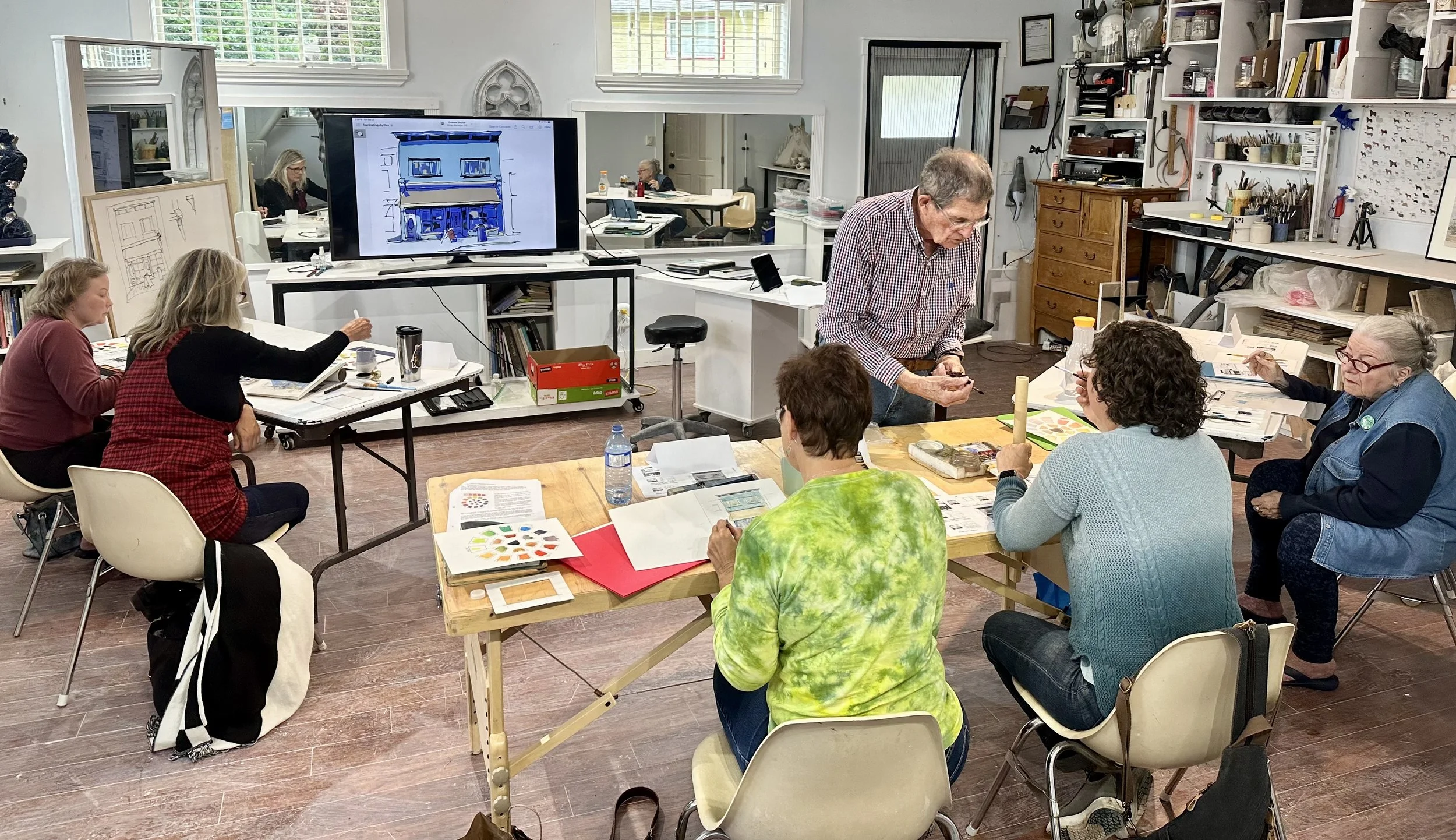
- Step-by-step demonstrations to make watercolour techniques easy to understand.
- Essential theory and hands-on exercises to build a strong foundation.
- The confidence to keep painting and explore your own creative style.
Watercolour Workshop.
Many people try to work with watercolours but find them too difficult to control, and that is part of the problem. This workshop shifts the beginner's mindset from controlling the paint to collaborating with it. Because water flows and blends on its own, new painters must learn when to guide the medium and when to step back and let physics do the work. Through demonstrations, theory, and practice exercises, beginners gain a solid foundation for enjoying this medium, building confidence, and exploring exciting directions.
Fundamentals
Minimum materials required, setting up your workspace, and methods to transfer images to your watercolour paper. A look at basic washes: flat wash, graded wash, and variegated wash with a demo and hands-on practice. Balancing water to pigment proportions using the “tea-coffee-cream” analogy. Paint application techniques such as “Wet on Dry” and “Wet on Wet.” The session concludes with a project using these techniques to bring it all together.
The Colour Circle and some Terminology.
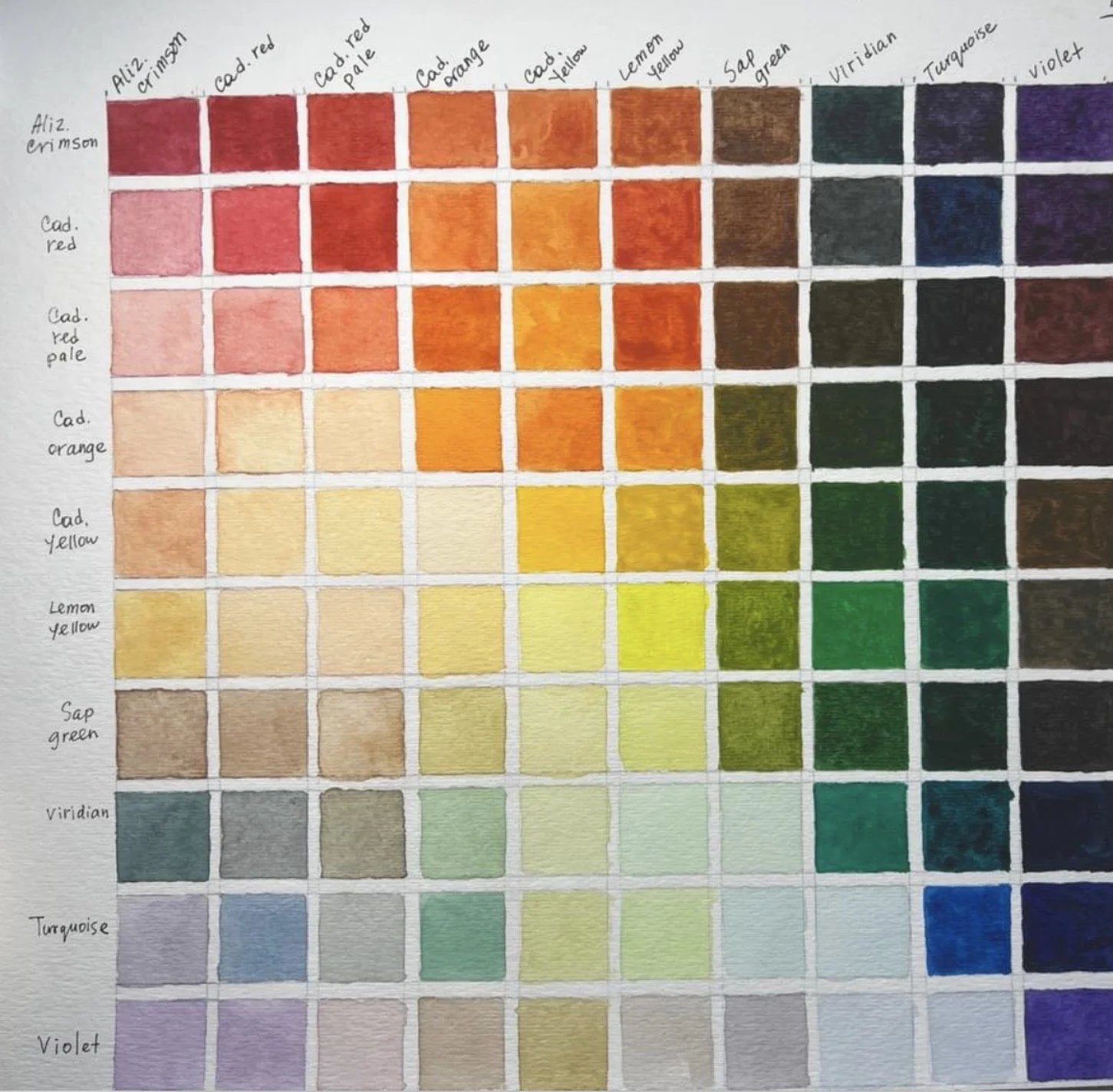
A look at the colour Circle. Watercolour pigment properties: transparency, tinting strength, staining and lifting, granulation, and others. The basics of colour mixing. Monochrome, tonal values of colours, and colour temperature. The session concludes with a project using these techniques to bring it all together.
Making the most of your pigments: three ways of applying pigment and water dilutions to paper: layering with glazes, blending on paper, and mixing in a palette. Using a limited palette with three primary colours. Choosing a palette with primaries, earth colours, and “convenience” colours. Working light to dark or vice versa. Some tips and pitfalls to watch for. The session concludes with a project using these techniques to bring it all together. Altogether.
Cost: Registration fee $310. + Materials $30. + GST Total: $357.00 tax included
TO REGISTER: Please complete the registration form, and we will get back to you.